
Grief Resources
Whether the loss of a loved one is expected or sudden, we often experience emotional reactions that can be tough to grapple with. Grief can be defined as deep, sometimes prolonged sadness following a loss. We may experience grief as the result of any number of life experiences, but especially after the death of someone we hold dear.
When coping with grief after a death, it is important to understand what to expect as well as where to turn for information, help and comfort. We hope the following information will be helpful in this pursuit.
For additional support, consider signing up for one year of weekly grief messages from our partner, GriefSteps, designed to provide strength and comfort during the challenging first year after your loss.

Losing a loved one is one of life’s most challenging experiences. While the grief can feel overwhelming, there are important considerations that can help guide you through the process of honoring their memory and making the necessary arrangements. Here are four key points to reflect on during this difficult time.

Be Understanding First and foremost, it’s important to be understanding of the person experiencing loss. Grief is a powerful emotion and is not to be taken lightly. Everyone grieves differently and there is no right or wrong way to do it. This is something that is important to understand and be aware of as someone is working through the grieving process. Judging somebody on how they are grieving and telling them how they should be grieving is not helpful and will not provide them with the support they are looking for. Another aspect of being understanding is knowing that there isn’t a set time limit on grieving. Some people can work through their grief in two years or so, others may take much longer. At the end of the day, though, it’s not your place to tell someone how long they can grieve. Whether it’s the day of the funeral services or two years later, it’s still important to be there for your loved one and be understanding. Limit Positivity While this may sound a little counter-intuitive, bear with us. While we agree that always seeing the bright side and staying positive can be a good thing in the right context, that’s not always the support someone who is grieving needs. During this process, it’s okay to feel sad and not have a silver lining. The loss of someone you love is devastating, so it’s not always helpful to tell someone “you still have so much to be thankful for” or “look at the bright side.” It’s perfectly okay and healthy to acknowledge that the situation really sucks. Life is full of good and bad, and it’s important to openly talk about both. This leads us to our next tip. Listen Be a good listener when supporting someone who is grieving. It may be tempting to try and “fix it” or give advice. But sometimes all someone who is grieving needs is someone to sit and hear them out. Letting them talk it out, whether it be publicly during the funeral services or privately one-on-one, the process of saying what you need to say uninterrupted can be incredibly therapeutic and helpful. For some people grieving, the opposite can also be true. Sometimes people don’t want to say anything at all, and in that case, the best thing you can do is sit in silence and be there for them. It’s also worth noting that while some topics may be uncomfortable to talk about, it’s important that you let the person grieving from the loss of a loved one talk about whatever they need to. It’s never fun to talk about how someone died or powerful sad feelings, but it is important to allow them to talk about whatever they need to in order to process overwhelming feelings. Practice Sensitivity The next tip our Fort Collins funeral services has to offer is to practice sensitivity. There is a time and place for tough love — supporting someone who is grieving is never that time or place. No matter how long it’s been, it’s not helpful to say insensitive things like “That happened forever ago”, “Move on”, or “You need to get past this.” Statements like these can minimize the person’s feelings and make them feel shameful of their grieving process. Offer Specific Help We’re all guilty of saying things like “let me know if you need any help!” This in and of itself is not a bad thing. But when you are trying to support someone who is grieving, more specific help can be useful. Things like offering to drive them to and from the funeral services, offering to go grocery shopping for them, asking if they’d like you to cook them a meal, offering to watch their children, going for a walk, or any number of specific offers can go a very long way. Ongoing Support Unfortunately, grieving doesn’t end after the funeral services are over. This means that your support shouldn’t end there either. It’s important that if you are going to support your friend or family member during their loss that you offer long-term support. Continue checking up on them, offering specific help, and listening to them if need be no matter how long it is after their loss. Bohlender Funeral Chapel in Fort Collins We hope that you found today’s blog useful in helping to support your friend or family member through grief. As always, please don’t hesitate to reach out to us at Bohlender Funeral Chapel in Fort Collins for help or with any questions.

Death is a part of life. As adults, we all know that, but children, especially young children, can have no concept of death. Bohlender Funeral Chapel is a Fort Collins funeral home offering many different services, including celebration of life and cremation services. Below, we'll go over how to explain death to a child. Contact us today!

At Bohlender Funeral Chapel in Fort Collins, we recognize that grieving is a personal journey that can be challenging to navigate. Each individual experiences loss differently, and understanding the grieving process is essential in finding healing and support. Here are some valuable tips to assist you during this difficult time.
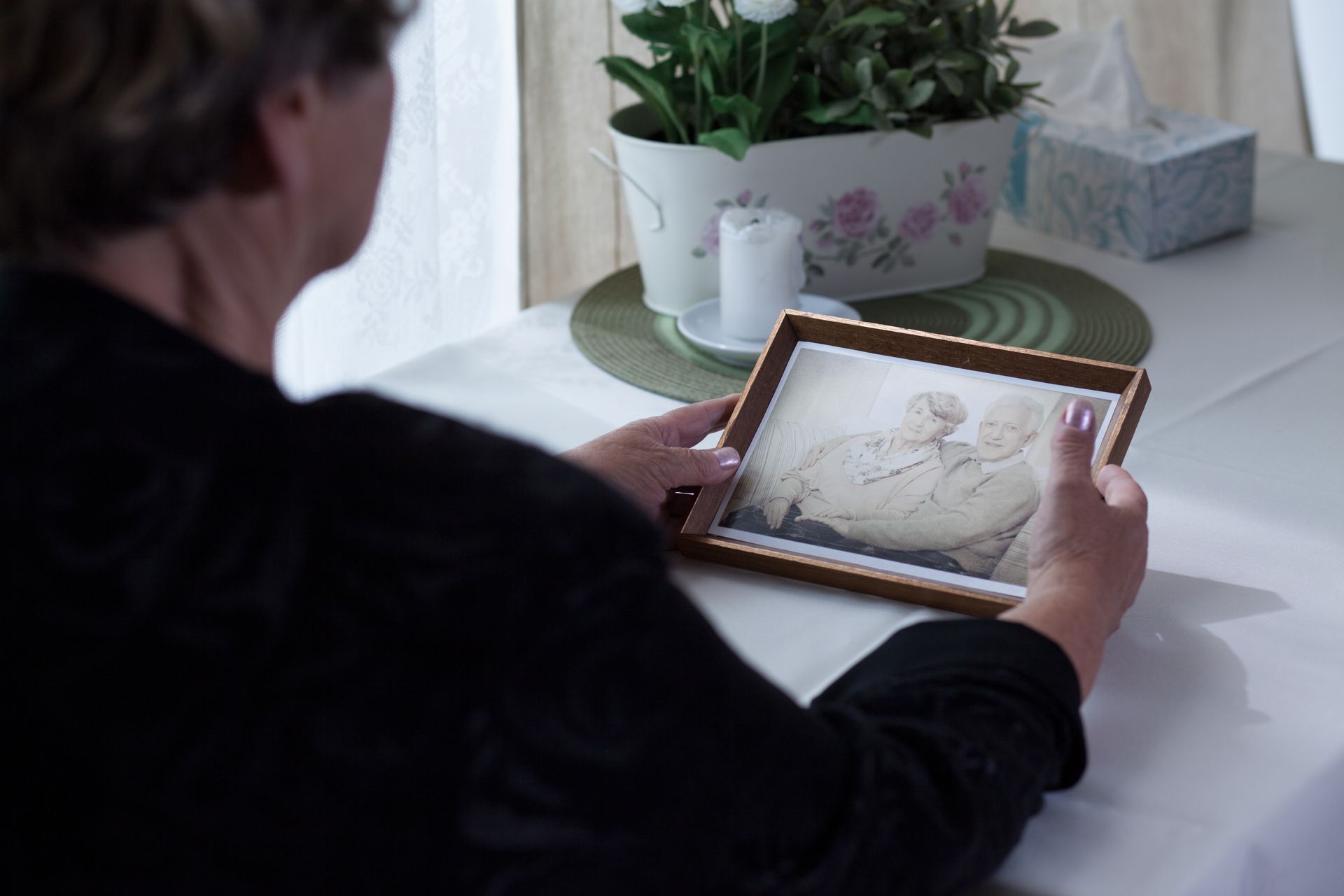
When it comes to grief, everyone is different and experiences loss and pain in their own ways. There isn’t a set right or wrong way to grieve and there is unfortunately no magic solution to make it fade away. Here we share a little about grief and the common stages that are experienced in times of loss. Grief Defined Grief is a natural response to sudden loss. It doesn’t necessarily have to be tied to death, but is a strong emotional response to losing something you valued. Often, that is in the form of a death in the family, but grief can be in response to a number of other events such as divorce, loss of friendship, losing a job, and more. Coping with grief is difficult, but you do not have to do it alone. Be sure to reach out to friends and family during this trying time when you are ready. The "Stages" of Grief The journey through the grief is different for everyone, but professionals have concluded that most of us experience times of denial, anger, bargaining, depression and acceptance when faced with a loss. While commonly known as "stages," in reality, grief does not take the form of an orderly, structured progression, and there is no set timeline for what you may experience. You might find yourself experiencing the same "stage" multiple times, or in a different order than what you went through after a previous loss. Denial As humans, we instinctively reject or recoil from loss, and may not immediately be able to face the reality of the situation. We can't believe that the loss actually occurred, or might say that we are completely fine and unaffected. This time of denial can serve as a buffer, giving a grieving person the time and room they need to organize their thoughts and protect themselves from the overwhelming emotions. Anger Once the feelings of pain and reality begin to set in, anger can grow. We may be angry with the deceased for abandoning us, angry at the situation that caused the loss, angry at the unfairness of it all. This is completely natural and normal. If the emotion starts to build and feel overwhelming, physical activity can help to release some of it. Verbalizing your angry thoughts and feelings to a trusted person can also help you at this time. Bargaining In time, you may enter a period of bargaining, and might find yourself using “if only” sort of language. “If only I had done this, if only someone had done that, if only this would have happened..." You may also feel guilt, thinking perhaps if you had done something better or differently that the outcome wouldn’t have been the same, perhaps trying to bargain with a higher power. Depression You may also express a period of depression and extreme sadness. It is important to allow yourself to feel these feelings and work through them the best you can. People often say or think “Well, what’s the point? There’s nothing I can do.” When the feelings become overwhelming, you may feel isolated and alone, but please try to reach out to someone you trust and express what you are going through to them. Acceptance After a period of time, you will find yourself at a place of acceptance. You still hurt, but have acknowledged the reality of your loss and are coming to terms with how your life has changed because of it. Please know that this is not a linear journey, and you may move in and out of each of these multiple times depending on circumstances such as holidays, certain dates on the calendar, and life's transition stages. Give yourself grace during the times when you may feel like you are going backwards. For more support, please see our additional grief resources .

Grief is a universal experience, yet it affects each of us in deeply personal ways. Whether mourning the loss of a loved one, a cherished relationship, or a life chapter that has passed, words can provide comfort and understanding during difficult times. Throughout history, writers, poets, and thinkers have captured the essence of grief, offering wisdom and solace through their words. Here are some of the most poignant quotes about grief and what they teach us about love, loss, and healing. 1. "Grief is the price we pay for love." — Queen Elizabeth II This simple yet profound quote reminds us that grief is a natural consequence of deep love. The pain of loss reflects the depth of our connections, serving as a testament to the significance of those we mourn. 2. "What we have once enjoyed deeply we can never lose. All that we love deeply becomes a part of us." — Helen Keller Helen Keller’s words offer reassurance that love transcends physical presence. The memories and impact of those we've lost remain embedded in our hearts and minds. 3. "No one ever told me that grief felt so like fear." — C.S. Lewis In his book A Grief Observed , Lewis articulates the raw and unpredictable nature of grief. The uncertainty, anxiety, and vulnerability that accompany loss can feel overwhelming, much like fear itself. 4. "There is no grief like the grief that does not speak." — Henry Wadsworth Longfellow This quote highlights the importance of expressing grief. Suppressing sorrow can deepen our pain, while sharing our feelings can foster healing and connection with others who understand. 5. "The reality is that you will grieve forever. You will not 'get over' the loss of a loved one; you will learn to live with it. You will heal and rebuild yourself around the loss you have suffered." — Elisabeth Kübler-Ross Kübler-Ross, a renowned psychiatrist who studied the grieving process, reminds us that grief never truly disappears. Instead, we integrate our losses into our lives, growing around them as we move forward. 6. "Tears shed for another person are not a sign of weakness. They are a sign of a pure heart." — José N. Harris Grief often brings tears, and this quote reassures us that crying is not a weakness but a reflection of the love and compassion we carry within us. 7. "How lucky I am to have something that makes saying goodbye so hard." — A.A. Milne Attributed to the beloved Winnie the Pooh author, this quote shifts our perspective on grief, reminding us to be grateful for the meaningful relationships that make parting so difficult. 8. "Grief, I’ve learned, is really just love. It’s all the love you want to give but cannot. All of that unspent love gathers up in the corners of your eyes, the lump in your throat, and in the hollow part of your chest." — Jamie Anderson Anderson’s words beautifully frame grief as a continuation of love. Even in sorrow, love remains—unexpressed, yet deeply felt. Finding Meaning Through Grief While grief is painful, these words of wisdom remind us that it is also a profound expression of love. Though loss can feel insurmountable, we can find comfort in the knowledge that love never truly leaves us—it transforms, lingers, and shapes the way we continue to live. If you’re grieving, take solace in these words and know that you are not alone. In time, healing will come, and your love for those lost will continue in new and beautiful ways.

Thanksgiving can be challenging when you’re grieving. A holiday centered on gratitude, family gatherings, and celebration can seem daunting when someone close to you is no longer there. The traditions that used to bring warmth might now feel empty, and feelings of sadness, anger, or confusion may overshadow gratitude. But in times of loss, Thanksgiving can also offer a unique opportunity to remember, honor, and slowly begin healing. Here are some gentle ways to approach Thanksgiving after losing a loved one, allowing space for both grief and gratitude. 1. Acknowledge Your Feelings It’s okay if you’re not feeling grateful or festive this Thanksgiving. Loss can bring waves of complex emotions, and it’s essential to honor these feelings without judgment. Grief isn’t linear; it shows up in unexpected ways and doesn’t always align with holiday expectations. Allow yourself to feel however you need to, whether it’s sadness, anger, or even numbness. Give yourself permission to experience Thanksgiving differently this year. 2. Create Space for Remembrance Thanksgiving can be a beautiful opportunity to honor your loved one’s memory. Consider setting a place at the table for them, lighting a candle, or making their favorite dish. Invite others to share stories about your loved one, reflecting on the joy they brought to your lives. By creating space for their memory, you’re not only honoring them but also integrating their presence into your traditions. 3. Embrace New Traditions After a loss, it can be painful to follow the same rituals and traditions. Instead, try exploring new traditions that feel right for you. Maybe this Thanksgiving, you decide to spend time in nature, volunteer at a shelter, or have a smaller, quieter meal with close friends or family. New traditions don’t erase the old ones—they’re ways to adapt to your current emotional landscape and honor your needs during this time. 4. Connect with Others Who Understand Grieving can often feel isolating, especially during a holiday centered around togetherness. If you have friends or family who are also experiencing loss, reach out and connect with them. If that’s not possible, consider looking into local support groups or online communities where people share similar experiences. Knowing you’re not alone in your grief can be comforting, and the shared understanding can bring a sense of community that’s especially healing during the holidays. 5. Focus on Small Moments of Gratitude Gratitude may feel difficult or even impossible to access when grieving, but it doesn’t have to be about grand gestures or feelings. Instead, focus on small, quiet moments that offer peace or comfort, such as a beautiful sunset, the warmth of a cozy blanket, or a kind word from a friend. These small things can provide a gentle reminder that joy can still coexist with sorrow. 6. Give Yourself Permission to Skip or Scale Back the Celebration You might feel pressured to put on a brave face or participate fully in Thanksgiving traditions, but it’s okay if that’s not where you’re at this year. Give yourself permission to set boundaries and skip or scale back on what feels overwhelming. Grief doesn’t follow a holiday schedule, and it’s okay to take a step back to care for yourself. Loved ones will understand if you need a little more space or choose to spend the holiday differently. If Thanksgiving feels especially hard this year, remember you’re not alone. Grief is a testament to love, and by finding ways to celebrate, you’re honoring the love that still lives on within you. May this Thanksgiving bring you moments of comfort, the warmth of cherished memories, and the quiet understanding that healing is a journey you don’t have to walk alone.

Grief is a universal experience, yet each person’s journey through it is unique. Whether we’re grieving the loss of a loved one, a significant life change, or even the end of a cherished relationship, the support we receive can make a crucial difference in how we heal and move forward. Various types of grief support offer different benefits and understanding what’s available is the first step to finding what works best for you. Here’s an overview of different types of grief support and tips on finding local resources. Individual Therapy What It Is: Individual therapy, usually with a licensed therapist or counselor, is a one-on-one experience tailored to your personal grief journey. Therapists help you process feelings, manage symptoms of depression or anxiety, and develop coping strategies for day-to-day life. Benefits: This support is highly personalized and can adapt over time to meet your evolving needs. Many therapists specialize in grief counseling and can offer specialized techniques like Cognitive Behavioral Therapy (CBT), which helps reframe negative thoughts, or grief-specific techniques to process loss. How to Find It Locally: Search online directories like Psychology Today or TherapyDen, which allow you to filter by specialty and location. Your primary care doctor or local hospital may also provide referrals to grief therapists nearby. Support Groups What They Are: Grief support groups are gatherings of people who are all dealing with loss. They’re typically led by a counselor or trained facilitator and offer a safe space to share experiences, give and receive support, and learn coping strategies. Benefits: These groups help to reduce feelings of isolation and allow for mutual support among participants. Many find comfort in being able to relate to others who truly understand their loss, creating a strong sense of community. How to Find It Locally: Local community centers, hospitals, or religious organizations often host grief support groups. You can also find directories through organizations like GriefShare, which lists groups worldwide, or through the National Alliance for Grieving Children if you’re seeking support for younger family members. Online Grief Support Communities What They Are: Online support communities provide 24/7 access to support networks through forums, chat rooms, and video groups. These platforms can range from general grief support forums to specialized groups focusing on specific types of loss (e.g., losing a spouse, child, or dealing with prolonged illness). Benefits: Online support is ideal for those who may not have access to local resources, have difficulty with transportation, or prefer anonymity. You can also access support anytime, making it a flexible option. How to Find It Locally: Even if your group is online, joining a local group can be helpful for occasional in-person meetups. Websites like Grief In Common or The Compassionate Friends offer both online and local chapters, making it easy to connect with people nearby. Books and Self-Help Resources What They Are: Books, workbooks, and online courses can provide self-directed support for those who prefer to work through their grief independently. Many of these resources provide exercises, coping strategies, and stories from others who have navigated grief. Benefits: Self-help resources offer flexibility and privacy. They can be particularly useful for people who are beginning to explore grief or want supplementary support alongside other therapies or group work. How to Find It Locally: Libraries, bookstores, and online platforms like Audible or Kindle Unlimited offer a range of grief-related materials. Many therapists or grief organizations provide recommendations, or you can check popular titles like On Grief and Grieving by Elisabeth Kübler-Ross for trusted insights. The journey through grief doesn’t have to be walked alone. Finding the right type of support and connecting with resources can provide essential comfort, perspective, and healing. Whether you seek the company of others, prefer a one-on-one approach, or are drawn to creative expression, there is support out there to help you through. Don’t hesitate to reach out—healing is within reach.