Frequently Asked Funeral Questions: A Guide to Navigating the Process
Losing a loved one is an emotional and challenging time, and navigating the funeral process can feel overwhelming. Whether it’s your first time making funeral arrangements or you’re unsure about certain aspects of the process, it’s natural to have many questions. Understanding the typical procedures and options available can help ease the burden during this difficult time. Here are some of the most frequently asked funeral questions and their answers to guide you through the process.
1. What is the difference between a funeral and a memorial service?
A funeral typically involves a ceremony held with the body of the deceased present, either before or during burial or cremation. It often includes a viewing or wake, where family and friends can pay their respects. A memorial service , on the other hand, takes place after the body has been buried or cremated and does not involve the presence of the body. Memorial services may be held in various settings, such as homes, churches, or other venues, and can be personalized to reflect the life of the deceased.
2. What is embalming, and is it required?
Embalming is a process that involves preserving the body to delay decomposition, usually for viewing purposes. It is not legally required in most places but may be necessary if the body is to be displayed at a public service or transported over long distances. In cases where there will be no viewing, embalming is typically not needed. However, certain states or countries may have regulations about embalming or the timing of burial. It’s important to check with the funeral home to determine what’s required in your area.
3. How much does a funeral cost?
The cost of a funeral can vary greatly depending on factors like location, the type of service, and the funeral home you choose. There are options to help manage funeral expenses, such as cremation (which can be less expensive than burial), choosing a less elaborate service, or purchasing a funeral plan in advance.
4. What is cremation, and how does it differ from burial?
Cremation involves the process of reducing the body to ashes. Many people choose cremation for its simplicity, lower cost, and flexibility in how the ashes can be kept, scattered, or interred. Some people opt for a cremation memorial service, where the ashes are present but there is no body.
Burial , on the other hand, involves placing the body in a casket and then burying it in a cemetery. This option may include the purchase of a grave plot, headstone, and other related services. The choice between cremation and burial depends on personal, cultural, and religious preferences.
5. What are the steps in planning a funeral?
Planning a funeral typically involves the following steps:
6. Should I pre-plan a funeral?
Pre-planning a funeral is a personal choice. Many people choose to pre-plan to relieve their loved ones of the burden of making arrangements during a time of grief. Pre-planning allows you to specify your wishes for the service, casket, burial, and other aspects of the funeral, ensuring your desires are respected. Additionally, pre-paying for a funeral can help protect your family from rising costs in the future.
However, it’s important to carefully consider pre-planning options, as funeral costs can vary, and you’ll want to ensure that the plan is flexible and fully understood by the family members who will carry out your wishes.
7. What are the options for scattering ashes?
If you choose cremation, there are many options for what to do with the ashes:
8. What is a death certificate, and why is it important?
A death certificate is an official document issued by a governmental authority that confirms the death of a person. It is essential for handling legal and financial matters, such as settling the deceased’s estate, claiming life insurance, and closing accounts. The funeral home typically assists in obtaining several copies of the death certificate.
9. Can I personalize a funeral service?
Absolutely! Many families choose to personalize the funeral service to reflect the deceased's personality, passions, or hobbies. You can incorporate meaningful music, photos, special readings, or even display personal items that were important to the deceased. The funeral director can help guide you through creative options for personalization.
10. What should I do if I can’t attend the funeral?
If you’re unable to attend the funeral in person, consider sending flowers, a sympathy card, or making a charitable donation in the deceased’s honor. If the family holds a memorial service, they may also offer the option to participate virtually, such as through a livestream. It’s always thoughtful to express your condolences in any way possible.
Funeral planning can be complex, but understanding the answers to these frequently asked questions can help make the process easier to navigate. Whether you are arranging a funeral for a loved one or pre-planning your own, it’s important to take the time to make informed decisions. By doing so, you can create a meaningful, respectful ceremony that honors the life and memory of the deceased, while providing comfort to those who are grieving.
1. What is the difference between a funeral and a memorial service?
A funeral typically involves a ceremony held with the body of the deceased present, either before or during burial or cremation. It often includes a viewing or wake, where family and friends can pay their respects. A memorial service , on the other hand, takes place after the body has been buried or cremated and does not involve the presence of the body. Memorial services may be held in various settings, such as homes, churches, or other venues, and can be personalized to reflect the life of the deceased.
2. What is embalming, and is it required?
Embalming is a process that involves preserving the body to delay decomposition, usually for viewing purposes. It is not legally required in most places but may be necessary if the body is to be displayed at a public service or transported over long distances. In cases where there will be no viewing, embalming is typically not needed. However, certain states or countries may have regulations about embalming or the timing of burial. It’s important to check with the funeral home to determine what’s required in your area.
3. How much does a funeral cost?
The cost of a funeral can vary greatly depending on factors like location, the type of service, and the funeral home you choose. There are options to help manage funeral expenses, such as cremation (which can be less expensive than burial), choosing a less elaborate service, or purchasing a funeral plan in advance.
4. What is cremation, and how does it differ from burial?
Cremation involves the process of reducing the body to ashes. Many people choose cremation for its simplicity, lower cost, and flexibility in how the ashes can be kept, scattered, or interred. Some people opt for a cremation memorial service, where the ashes are present but there is no body.
Burial , on the other hand, involves placing the body in a casket and then burying it in a cemetery. This option may include the purchase of a grave plot, headstone, and other related services. The choice between cremation and burial depends on personal, cultural, and religious preferences.
5. What are the steps in planning a funeral?
Planning a funeral typically involves the following steps:
- Notify family and friends : Reach out to close family and friends and inform them of the passing.
- Choose a funeral home : Select a funeral home to help with arrangements, including embalming (if applicable), obtaining necessary permits, and coordinating transportation.
- Select the type of service : Decide on whether you want a funeral, memorial, or graveside service. You’ll also need to choose the location and any religious or cultural elements to incorporate.
- Choose a casket or urn : Select a casket for burial or an urn for cremation. There are many styles and price ranges to choose from.
- Plan the ceremony : Work with the funeral director to plan the service, including music, readings, eulogies, and floral arrangements.
- Arrange for transportation : The funeral home will coordinate the transportation of the body to the service and burial or cremation site.
6. Should I pre-plan a funeral?
Pre-planning a funeral is a personal choice. Many people choose to pre-plan to relieve their loved ones of the burden of making arrangements during a time of grief. Pre-planning allows you to specify your wishes for the service, casket, burial, and other aspects of the funeral, ensuring your desires are respected. Additionally, pre-paying for a funeral can help protect your family from rising costs in the future.
However, it’s important to carefully consider pre-planning options, as funeral costs can vary, and you’ll want to ensure that the plan is flexible and fully understood by the family members who will carry out your wishes.
7. What are the options for scattering ashes?
If you choose cremation, there are many options for what to do with the ashes:
- Scattering : Many people choose to scatter the ashes in a location that had significance to the deceased, such as a favorite park, beach, or nature spot.
- Keepsake urns : Some families choose to keep a portion of the ashes in a special urn or piece of jewelry.
- Interment : Ashes can be interred in a family plot or at a cemetery, either in a niche or within a memorial garden.
- Other creative options : There are many creative options for commemorating the deceased, including turning ashes into diamonds or using them to create a memorial reef.
8. What is a death certificate, and why is it important?
A death certificate is an official document issued by a governmental authority that confirms the death of a person. It is essential for handling legal and financial matters, such as settling the deceased’s estate, claiming life insurance, and closing accounts. The funeral home typically assists in obtaining several copies of the death certificate.
9. Can I personalize a funeral service?
Absolutely! Many families choose to personalize the funeral service to reflect the deceased's personality, passions, or hobbies. You can incorporate meaningful music, photos, special readings, or even display personal items that were important to the deceased. The funeral director can help guide you through creative options for personalization.
10. What should I do if I can’t attend the funeral?
If you’re unable to attend the funeral in person, consider sending flowers, a sympathy card, or making a charitable donation in the deceased’s honor. If the family holds a memorial service, they may also offer the option to participate virtually, such as through a livestream. It’s always thoughtful to express your condolences in any way possible.
Funeral planning can be complex, but understanding the answers to these frequently asked questions can help make the process easier to navigate. Whether you are arranging a funeral for a loved one or pre-planning your own, it’s important to take the time to make informed decisions. By doing so, you can create a meaningful, respectful ceremony that honors the life and memory of the deceased, while providing comfort to those who are grieving.
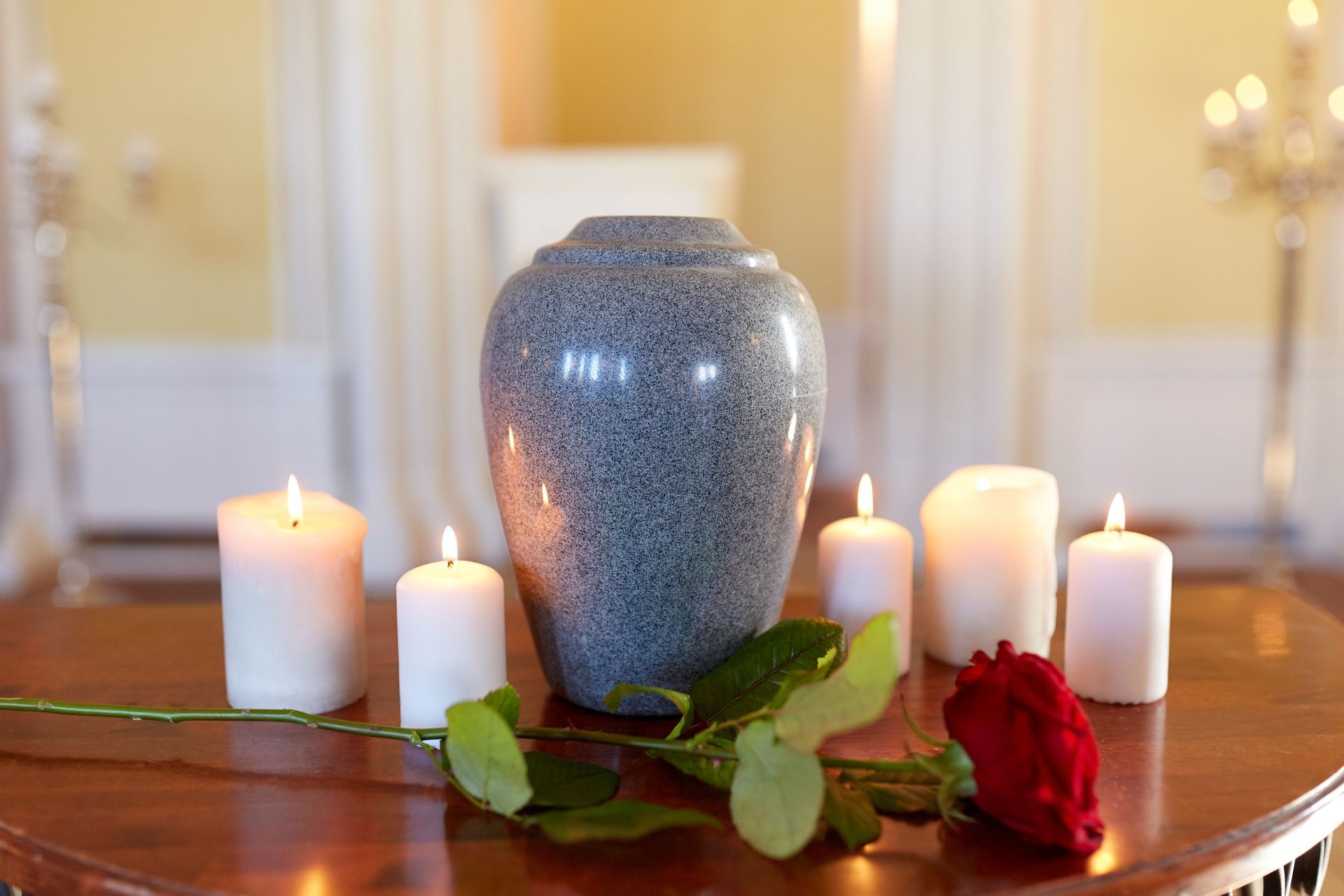
When you’re planning services and arrangements for a loved one, the options and choices may be overwhelming. At Bohlender Funeral Chapel, our team is here to help guide you through this difficult time with quality, compassionate services, and individualized attention. If you’re considering cremation in your end-of-life plans or for a loved one, here are four reasons our team recommends this option.
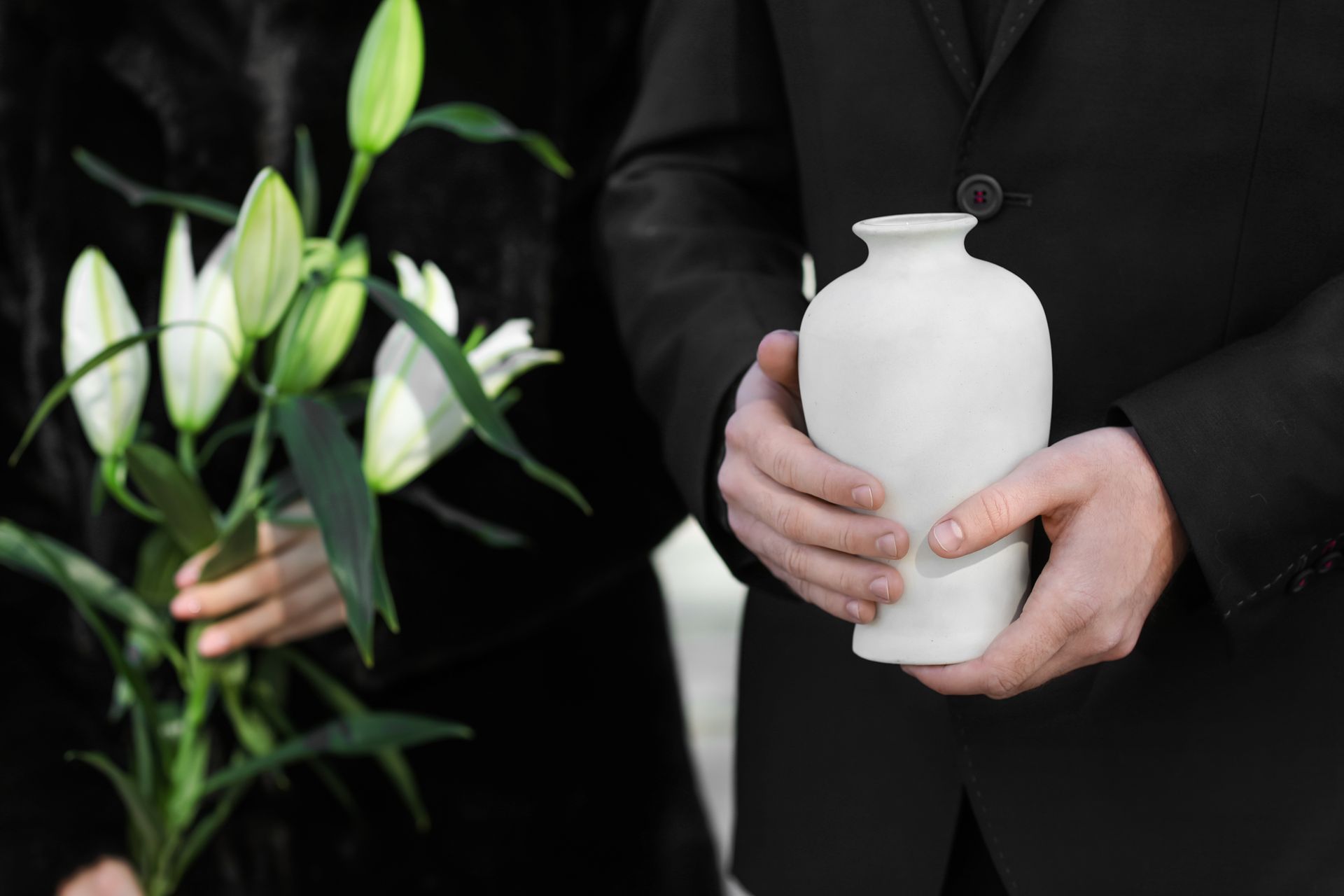
When it comes to funeral services and memorial services, many people have questions that are difficult to ask. At Bohlender Funeral Chapel, our team is here to assist families and individuals through the death of a loved one with compassionate, informative services. Here are four common questions our team receives about cremation services.

Different cultures around the world deal with death in different ways. Many choose to have a cremation or burial ceremony just like in the U.S., however, there are some funeral ceremonies that are drastically different than what people in the U.S. are accustomed to. In today’s blog here at Bohlender Funeral Chapel in Fort Collins, we talk about other beautiful funeral ceremony traditions and where they are popular. Learn more about our funeral home services here at Bohlender Funeral Chapelin Fort Collins and get help planning the perfect celebration of life for your loved one. New Orleans Jazz Funerals You might be thinking, “Well, New Orleans is in the U.S.!” — and you’re right. But, that doesn’t mean that they can’t have unique funeral ceremony traditions. Not everyone in New Orleans has a jazz funeral, but anyone can request one if they’d like. However, most jazz funerals are held for musicians. In a traditional jazz funeral, the funeral ceremony begins at the church or funeral home and is then led to the cemetery by a marching band. The music starts off slow and heavy while everyone is walking to the cemetery. Once the body is buried and people are on the way back from the cemetery, the music becomes upbeat and celebratory to honor and celebrate the departed. Anyone and everyone nearby are encouraged to join as long as they are respectful and courteous. Eternal Reefs Eternal Reefs is a Florida-based company that has taken a completely new approach to funerals. Eternal Reefs takes cremated remains and places them in an environmentally safe concrete urn. The urn is created in such a way that it creates new habitats for marine wildlife. This makes it so that you or your loved one become a part of a coral reef and help to support new life. Eternal Reefs are a great way to commemorate your loved one and help them make the world a better place. Even though there are no oceans or coral reefs here in Fort Collins, that doesn’t stop our family at Bohlender Funeral Chapelfrom offering a funeral ceremony that is beneficial for the family and the earth. We are proud to offer our green burial funeral service, learn more about it here at Bohlender Funeral Chapel. Burial Beads In certain areas of the world, there is very limited space for burials and other traditional funeral ceremony practices. One method that South Korea has been practicing regularly is the burial bead funeral ceremony. With burial beads, cremated remains are pressed into beautiful beads that closely resemble that of jewelry or pearls. A wide variety of colors and urn options are available. This is a way for the people of South Korea to find beauty from a difficult situation while also making use of the limited space. The Philippines All across the Philippines, funeral ceremonies vary wildly. There are more than nine very different funeral traditions across the country. Some of the more poetic and beautiful traditions include tree burials and hanging coffins. Tree Burials Tree burials are most commonly practiced in the Cavite region of the Philippines. Cavite is located about 10 miles from the bustling Manila and they have still managed to maintain their unique funeral ceremony customs. Tree burials are where the person who expects their time is limited will go and select the tree of their choice. Once the tree is selected and the person’s days are numbered, a small shelter is built near the tree for them to live in. When they pass, they are entombed upright into the selected tree. Hanging Coffin In the Sagada region of the Philippines, coffins are often hung off the sides of cliffs or on the walls of high-up caves. The elderly or sick craft their own caskets by hand if they are able and once they have moved on, they are placed in the casket they created and hung high. They are placed next to their ancestors and loved ones as high off the ground as possible. This is because the native people believe that the higher the dead are to heaven, the easier their journey will be. This is a tradition that has been performed for thousands for years and will likely continue for years to come. Fantasy Coffins Ghana is a country in Africa where people have taken to a funeral ceremony called fantasy coffins. Fantasy coffins are unique coffins that help to represent who the person was in their life. For example, someone who was a fisherman their whole life may choose to be buried in a fish coffin. Or someone who had a love for books and novels may choose to be buried in a book-shaped coffin. These are fun and lighthearted ways to memorialize and celebrate the life of the dearly departed. We hope that you learned something new and got valuable insight into other culture’s funeral ceremony customs. If you would like to learn more about the funeral services we offer here at Bohlender Funeral Chapel in Fort Collins, don’t hesitate to reach out to us. We are a family-owned funeral home with a passion for helping people in any way we can. We offer invaluable healing experiences for you and your family through our cremation service, burial service, funeral flowers, and much more.

Planning a funeral can be overwhelming, especially when it comes to budgeting for the various expenses involved. At Bohlender Funeral Chapel in Fort Collins, we understand the importance of honoring a loved one while managing financial responsibilities. Let us help you navigate the funeral planning process, ensuring you can create a meaningful celebration that respects your loved one’s memory without stretching your finances. Then start the pre-planning process with us today.
More Resources & Support