Share Victoria Bonner Tuttle's obituary with others.
Invite friends and family to read the obituary and add memories.
Stay updated
We'll notify you when service details or new memories are added.
You're now following this obituary
We'll email you when there are updates.
Select your format and elements to print

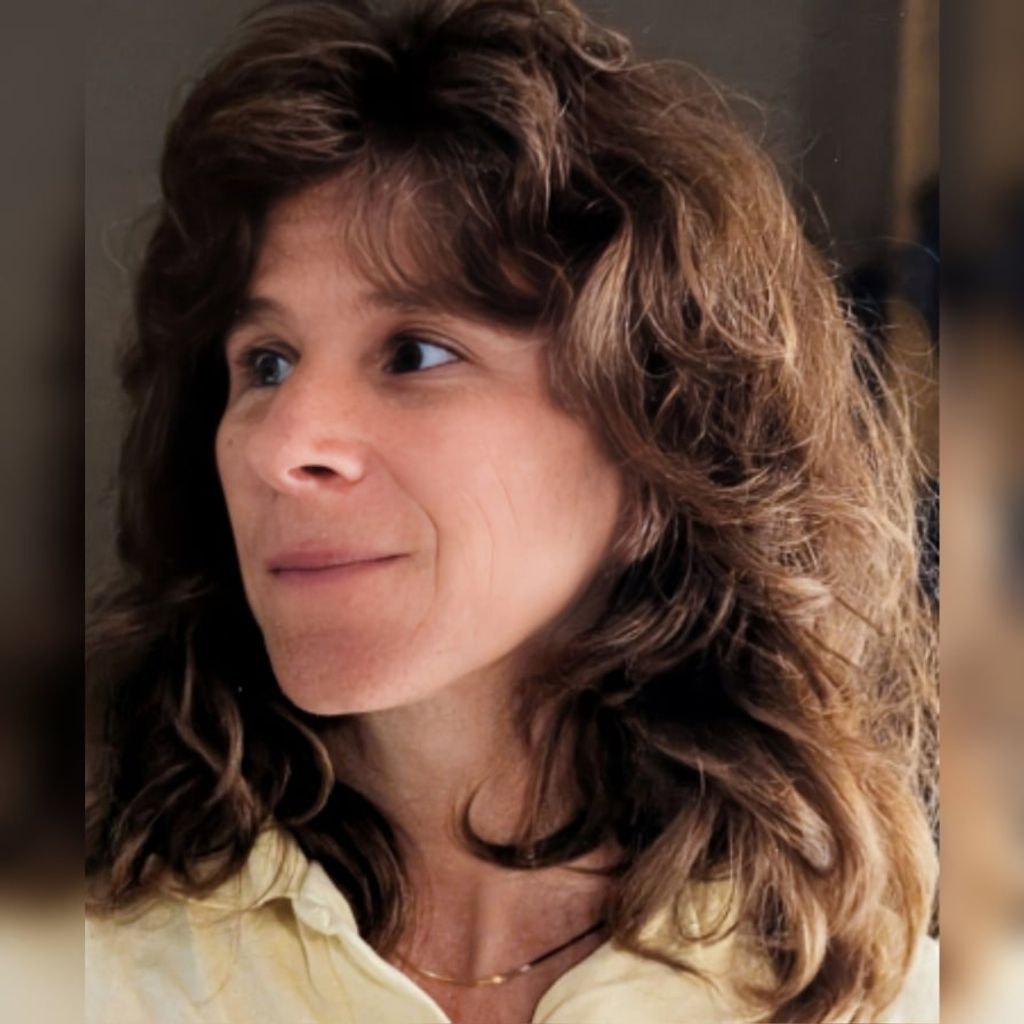
In Memory Of
Victoria Bonner Tuttle
1949
2026


Victoria Bonner Tuttle
Jan 20, 1949 — Feb 26, 2026
Listen to Obituary
Those of you who knew Tory Tuttle will realize that there was so much more to her, so much more that she did and that she gave to the world, than I can express here, where I can do little more than tell you about what she meant to me.
But first I should say something about Tory's life before I met her. She was born in Middlebury, Connecticut, on January 20, 1949. That day happens to be Inauguration Day for the President of the United States, and so, throughout her life, something happened quadrennially to sweeten or, especially more recently, to sour her birthdays. She was the second daughter of seven—a pure sisterhood: no pesky brother in sight. Five of her sisters survived her, and since for some reason listing survivors is an essential part of any obituary, I'll list them here, oldest to youngest: Robin Tuttle Maguire, Dinsmore Tuttle, Amelia Tuttle, Annie Laurie Tuttle, and Bettina Tuttle. (Most of them have husbands, which means there's a subsidiary brotherhood of surviving in-laws I could list, but….). I imagine that like all families the Tuttle sisters had their ups and downs and ins and outs growing up, but I can say that as adults they have formed an amazingly tight-knit group, incredibly giving and mutually supportive, a joy to know, and a true fringe benefit to me when I married Tory.
Tory attended Middlebury public schools until sixth grade, and completed her grade-school education at St. Margaret's School for Girls. She was one of the smart kids there, not a showoff (she was never one of those) but from the start a scholar, with a particular passion for literature, history, and (I believe) all things Russian. She became a voracious reader early on, and remained one until the very end. She often spoke to me of the profound effect certain teachers had upon her. And, God forgive me, if I had been a better listener I could have and I would have listed them here.
Two more figures important to Tory in her childhood deserve mention: the family horse, Clancy (whom she loved in spite of the fact that he broke her ankle), and the family gardener, Dominic Rinaldi. (This was when Tuttles had horses and gardeners.)
In 1966, Tory attended Vassar College, and there she found in her first roommate, Jenny Young, her best friend—for life. (She found, as well, a second best friend at Vassar in Patti Quinn). At the same time, she suffered her first great tragedy, when her sister Sarah, the third of the Tuttle sisters, developed ulcerative colitis, and died of it in January 1967. Harrowed by grief, Tory continued at Vassar for two more years, and then moved to Colorado, a place she had visited and loved, and enrolled at the University of Colorado. If she wasn't already in love with the mountains she fell in love with them then. She joined the Students for a Democratic Society (this was the late sixties), and, I'm proud to say, she was at least once arrested, dragged into a van, and booked for her principles. She took a degree in English and decamped for the mountains, finding a home and a job at over 10,000 feet in the town of Fairplay, teaching first and second graders.
It was in Fairplay that she developed the same illness that had killed her sister. Colitis did not take Tory as quickly, but it did bring her a lifetime of pain. That pain was certainly strong enough to drag her down and ruin her life—but it did not; Tory refused to let it defeat her, or define her. She held onto her natural kindness and gentleness. She continued to believe she could find joy in life and continued to seek it, and continued to share it with others. Seeking, finding and giving happiness in this imperfect world is a mission we all undertake, of course—but most of us do it without fighting the monster in her belly that Tory dealt with every day. There was a profound heroism in her quest to live and to love, I believe: much to admire in her spirit. And I did admire it daily, and will admire it until the end.
Colitis forced Tory away from the mountains and back to her family in Connecticut. After surgery and lengthy hospitalization, and after picking up an MA in Education, she returned to Colorado, bought a home in the foothills outside of Boulder and began again to teach elementary school in nearby Adams County. Before long, though, she returned to the University of Colorado to pursue a Masters with a focus on creative writing. Soon I would be at CU, too, a fellow graduate student in the English Department. And so, we met.
And so a couple years later, we married. By that point we both had our degrees, and I had somehow found a professorship in deepest rural Alabama, and Tory had actually agreed to follow me there. She was pregnant, then, and on November 26, 1989, she gave birth to our first son, Thomas Dominic Murphy. Thirteen days later he died.
This was the second great tragedy of Tory's life, and the first of mine. I found distraction in my work, but Tory was paralyzed by the loss, paralyzed to the point that moving back to Colorado became a necessity rather than a choice. We returned to Colorado and spent a year in Fort Collins before moving back to the mountains outside Boulder. We both resumed our teaching at CU's Writing Program. In 1992 our daughter Miranda was born. In 1996 our second son Daniel followed. For some years, Tory devoted herself to raising them, finding time as well to write stories—stories that for some years she kept to herself. Tory and I did a lot of traveling over the years, generally planning those trips around Tory's two great passions: for tennis (watching, not playing) and for opera.
In 2023, all of those stories that Tory had written came out of hiding when Don Eron, our friend and former colleague, and now publisher at Contingency Street Press, published them in a collection titled The Missing. So now they are out there, and—trust me—they are well worth reading. Her story "112 Months," in particular, is in my opinion a masterpiece: one of the most moving stories I have ever read.
Last May Tory experienced severe pains caused by the internal scars inflicted by decades of abdominal surgery, forcing yet one more surgery. Though she was given only a 40% chance of surviving this one, she survived, but after that her life was one of slow, inexorable decline, filled with doctors' appointments, therapists' visits, and hospitalizations. And yet she still found joy in living, and I found joy just in being with her. Her weakness extended to her throat; she found it harder and harder to swallow, until one evening she realized that she could not swallow at all. She returned to the hospital and then went into hospice, where the medications given to her for the pain sent her into a sleep from which she never awoke. On the morning of February 26, as I held her hand, she died.
She was my harbor, my solace, my center and my mission. She was so good.
There will be no service for Tory, but, as she requested, there will be a celebration of her life sometime within the next few months.
Instead of sending flowers, you might do what Tory often did and find a way to give some money to someone who needs it more than you.
But first I should say something about Tory's life before I met her. She was born in Middlebury, Connecticut, on January 20, 1949. That day happens to be Inauguration Day for the President of the United States, and so, throughout her life, something happened quadrennially to sweeten or, especially more recently, to sour her birthdays. She was the second daughter of seven—a pure sisterhood: no pesky brother in sight. Five of her sisters survived her, and since for some reason listing survivors is an essential part of any obituary, I'll list them here, oldest to youngest: Robin Tuttle Maguire, Dinsmore Tuttle, Amelia Tuttle, Annie Laurie Tuttle, and Bettina Tuttle. (Most of them have husbands, which means there's a subsidiary brotherhood of surviving in-laws I could list, but….). I imagine that like all families the Tuttle sisters had their ups and downs and ins and outs growing up, but I can say that as adults they have formed an amazingly tight-knit group, incredibly giving and mutually supportive, a joy to know, and a true fringe benefit to me when I married Tory.
Tory attended Middlebury public schools until sixth grade, and completed her grade-school education at St. Margaret's School for Girls. She was one of the smart kids there, not a showoff (she was never one of those) but from the start a scholar, with a particular passion for literature, history, and (I believe) all things Russian. She became a voracious reader early on, and remained one until the very end. She often spoke to me of the profound effect certain teachers had upon her. And, God forgive me, if I had been a better listener I could have and I would have listed them here.
Two more figures important to Tory in her childhood deserve mention: the family horse, Clancy (whom she loved in spite of the fact that he broke her ankle), and the family gardener, Dominic Rinaldi. (This was when Tuttles had horses and gardeners.)
In 1966, Tory attended Vassar College, and there she found in her first roommate, Jenny Young, her best friend—for life. (She found, as well, a second best friend at Vassar in Patti Quinn). At the same time, she suffered her first great tragedy, when her sister Sarah, the third of the Tuttle sisters, developed ulcerative colitis, and died of it in January 1967. Harrowed by grief, Tory continued at Vassar for two more years, and then moved to Colorado, a place she had visited and loved, and enrolled at the University of Colorado. If she wasn't already in love with the mountains she fell in love with them then. She joined the Students for a Democratic Society (this was the late sixties), and, I'm proud to say, she was at least once arrested, dragged into a van, and booked for her principles. She took a degree in English and decamped for the mountains, finding a home and a job at over 10,000 feet in the town of Fairplay, teaching first and second graders.
It was in Fairplay that she developed the same illness that had killed her sister. Colitis did not take Tory as quickly, but it did bring her a lifetime of pain. That pain was certainly strong enough to drag her down and ruin her life—but it did not; Tory refused to let it defeat her, or define her. She held onto her natural kindness and gentleness. She continued to believe she could find joy in life and continued to seek it, and continued to share it with others. Seeking, finding and giving happiness in this imperfect world is a mission we all undertake, of course—but most of us do it without fighting the monster in her belly that Tory dealt with every day. There was a profound heroism in her quest to live and to love, I believe: much to admire in her spirit. And I did admire it daily, and will admire it until the end.
Colitis forced Tory away from the mountains and back to her family in Connecticut. After surgery and lengthy hospitalization, and after picking up an MA in Education, she returned to Colorado, bought a home in the foothills outside of Boulder and began again to teach elementary school in nearby Adams County. Before long, though, she returned to the University of Colorado to pursue a Masters with a focus on creative writing. Soon I would be at CU, too, a fellow graduate student in the English Department. And so, we met.
And so a couple years later, we married. By that point we both had our degrees, and I had somehow found a professorship in deepest rural Alabama, and Tory had actually agreed to follow me there. She was pregnant, then, and on November 26, 1989, she gave birth to our first son, Thomas Dominic Murphy. Thirteen days later he died.
This was the second great tragedy of Tory's life, and the first of mine. I found distraction in my work, but Tory was paralyzed by the loss, paralyzed to the point that moving back to Colorado became a necessity rather than a choice. We returned to Colorado and spent a year in Fort Collins before moving back to the mountains outside Boulder. We both resumed our teaching at CU's Writing Program. In 1992 our daughter Miranda was born. In 1996 our second son Daniel followed. For some years, Tory devoted herself to raising them, finding time as well to write stories—stories that for some years she kept to herself. Tory and I did a lot of traveling over the years, generally planning those trips around Tory's two great passions: for tennis (watching, not playing) and for opera.
In 2023, all of those stories that Tory had written came out of hiding when Don Eron, our friend and former colleague, and now publisher at Contingency Street Press, published them in a collection titled The Missing. So now they are out there, and—trust me—they are well worth reading. Her story "112 Months," in particular, is in my opinion a masterpiece: one of the most moving stories I have ever read.
Last May Tory experienced severe pains caused by the internal scars inflicted by decades of abdominal surgery, forcing yet one more surgery. Though she was given only a 40% chance of surviving this one, she survived, but after that her life was one of slow, inexorable decline, filled with doctors' appointments, therapists' visits, and hospitalizations. And yet she still found joy in living, and I found joy just in being with her. Her weakness extended to her throat; she found it harder and harder to swallow, until one evening she realized that she could not swallow at all. She returned to the hospital and then went into hospice, where the medications given to her for the pain sent her into a sleep from which she never awoke. On the morning of February 26, as I held her hand, she died.
She was my harbor, my solace, my center and my mission. She was so good.
There will be no service for Tory, but, as she requested, there will be a celebration of her life sometime within the next few months.
Instead of sending flowers, you might do what Tory often did and find a way to give some money to someone who needs it more than you.
To send flowers with our preferred florist or plant a memorial tree, please visit our flower store.
Guestbook
Visits: 78
This site is protected by reCAPTCHA and the
Google Privacy Policy and Terms of Service apply.
Service map data © OpenStreetMap contributors